
 EN
EN



What Are the Quality Standards for Baby Crib Suppliers?
Adherence to Global Safety Regulations
Respecting the Global Safety Regulations is an essential standard for the best Baby Crib Suppliers. Crib safety regulations cover the distance between crib slats. Baby Crib Suppliers must ensure slats are no more than six centimeters apart to avoid a babies' head getting stuck. Regulations cover the heights of crib sides so babies safely cannot climb over as they grow. Baby Crib Suppliers must ensure compliance to different regional laws for selling in the market. In the US this would be the ASTM regulations and in the EU the EN regulations. Compliance is a must to establish trust with parents.
Use of Non Toxic and Durable Materials
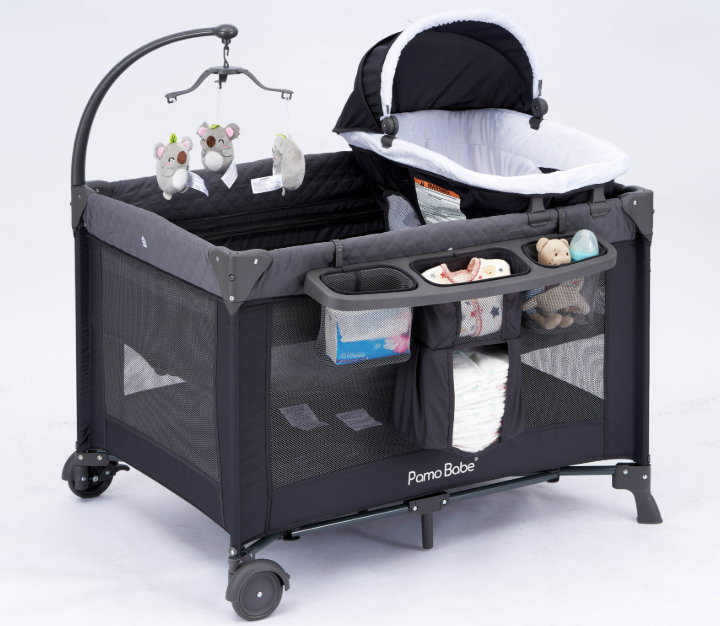
Choosing materials for baby cribs is an important quality standard. Suppliers must use wood, metal, or plastic without any harmful materials such as lead, formaldehyde, and phthalates. These chemicals are dangerous if a baby chews on the crib or inhales fumes from newly bought materials. Durability is important as well since cribs are subjected to daily use, whether it is a baby pulling themselves up or a parent lowering the mattress. Quality materials won’t crack, splinter, or fade easily, which ensures the crib will last throughout the toddler stage. To guarantee safety and compliance, materials undergo testing for durability and safety before being put into production for a crib.
Tight Manufacturing and Quality Control Processes
Ensuring safety and quality doesn't stop at the materials that go into building a baby crib. Every stage of the production process must be planned out in detail. For instance, during the assembly of the crib frame, each and every worker must ensure that all screws are tight and secure, as loose components may potentially lead to choking hazards. Many automated supply chain systems contain not only automated defect detection systems, but also manual inspection systems for detecting slightly defective components, for instance uneven wood surfaces, defective latches on mattress support, etc. After production, the cribs also have to pass a series of final tests, that include shaking the crib to test for stability and checking to see if the mattress fits with no gaps. All of these steps ensure that every crib that leaves the factory meets safety and quality standards.
Focus on Ergonomic and Functional Design
A quality baby crib respects the baby’s safety as well as the parent's needs. An ergonomically designed crib makes it more user friendly for the caregiver. For example, having a mattress that can be lowered as the baby grows helps the caregiver avoid excessive bending. Also, having the side rails open at the parent's command reduces the risk of the baby falling while providing easy access. Simplicity is key. Functionality offers versatility such as cribs that convert into toddler beds or daybeds. These cribs provide parents more utility as they accompany the child’s growth. This reveals a design focus on small but important details. Rounded edges and other design aspects help prevent user bumps for increased safety and functionality.
Testing and Certifying Products
Honest baby crib suppliers tell how their products are tested and certified. They send their cribs to independent third party labs that test for safety, durability, and chemical risks. These labs issue certifications demonstrating whether or not the crib meets various international or regional standards, and suppliers should make these certifications easily available to customers, whether on their websites or product labels. Texplaining past safety checks and updates properly, enables parents to understand what they are purchasing. Open safety testing alleviates parents’ concern for their baby’s safety on the crib.