 ×
×

Market Overview
The baby and children’s furniture segment in the Middle East is expanding as urbanization rises, disposable incomes increase, and parents show greater interest in quality, multifunctional products. While global kids’ and nursery furniture markets are forecast to grow steadily in the coming years, regional dynamics differ across markets. According to Statista, baby and children's furniture revenue in the GCC region — which includes Saudi Arabia, UAE, Qatar, Oman, Bahrain, and Kuwait — is estimated at US$408 million in 2025.
Globally, the kids and nursery furniture market — covering cribs, bassinets, playpens, strollers and related products — is projected to grow from about US$33.6 billion in 2025 to US$47.3 billion by 2031, representing a ~5.8 % CAGR over 2026-2031.
In the broader Middle East and Africa region, one market outlook suggests that the entire kids’ furniture category (inclusive of children’s furniture beyond just newborn products) could reach approximately US$13.17 billion by 2030, with a 22.8 % CAGR from 2022-2030.
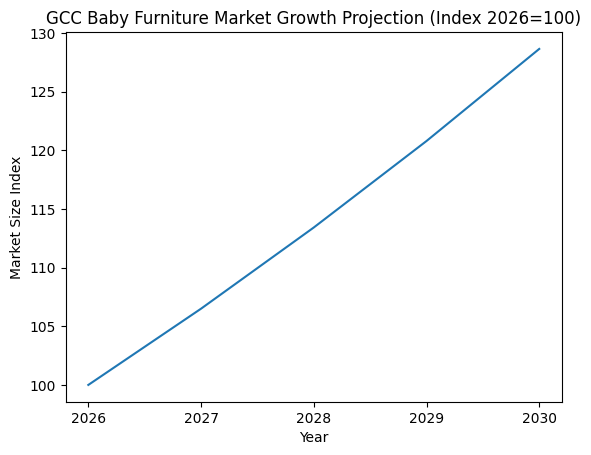
What this means for baby furniture: even if granular Baby Furniture-only forecasts aren’t publicly available for 2026–2030, multiple industry sources point to consistent regional expansion in adjacent segments, driven by demographic, economic, and lifestyle trends.
Market Segmentation Trends
Products that align with space-saving functionality, certification compliance, and multifunctionality are seeing relatively stronger demand dynamics among newborn indoor furniture categories:
|
Product Category |
Typical Buyer Preference |
Demand Driver |
|
Cribs (fixed) |
Traditional families |
Durability & safety |
|
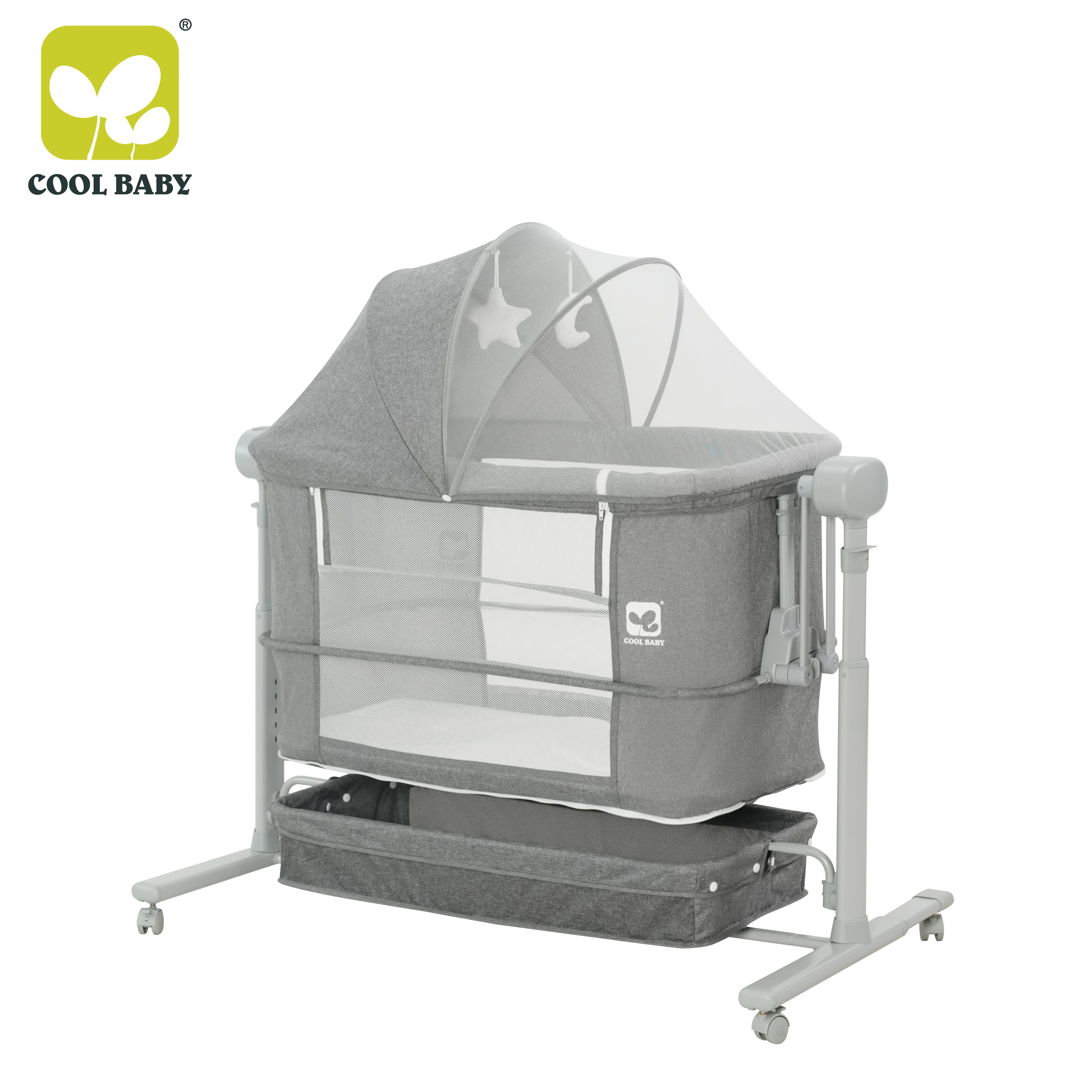
Bedside Sleepers |
Urban co-sleeping parents |
Convenience & safety alignment |
|
Foldable Playpens |
Apartment dwellers |
Space efficiency & portability |
|
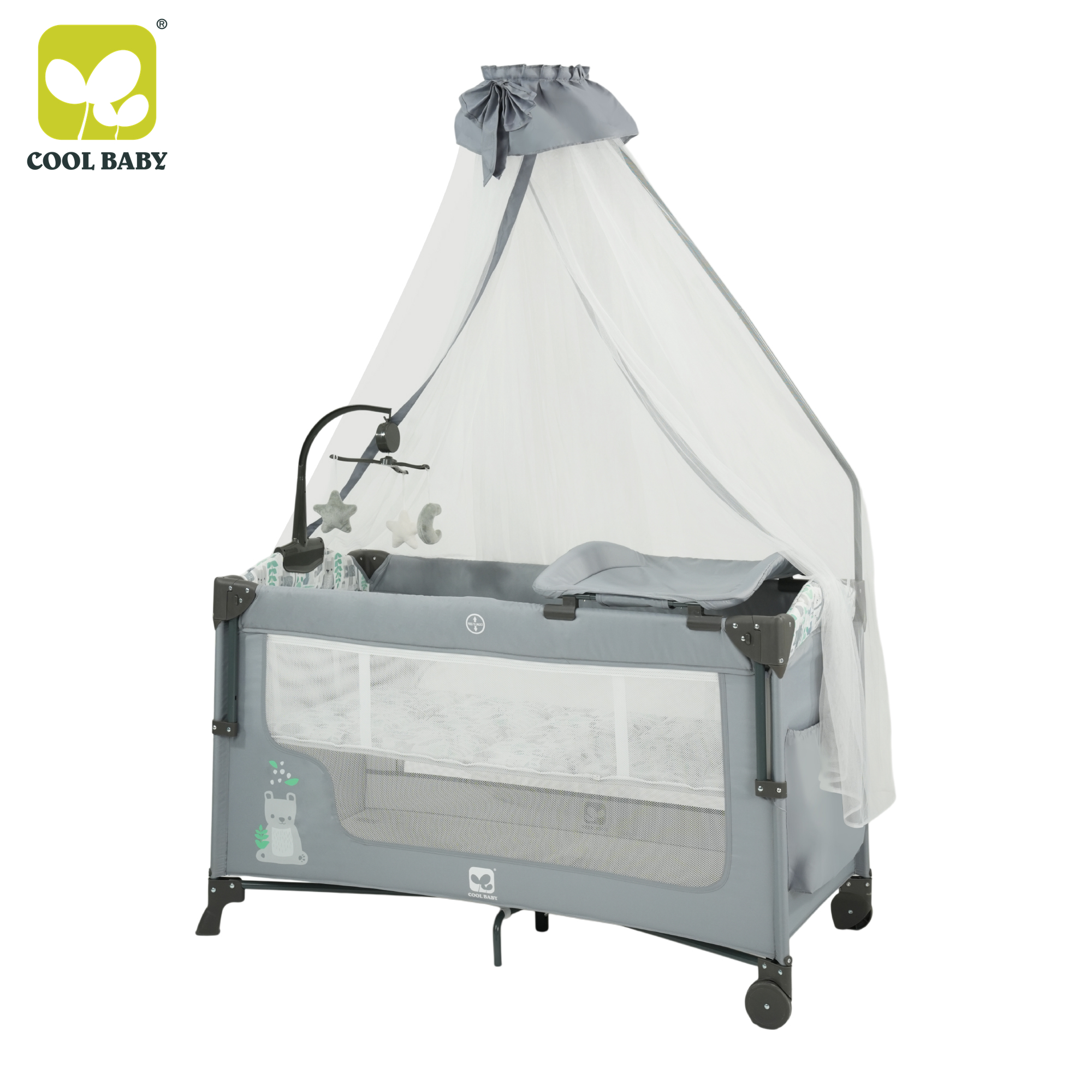
Multifunction Cribs |
Premium & multifunction demand |
Longer lifespan & feature stack |
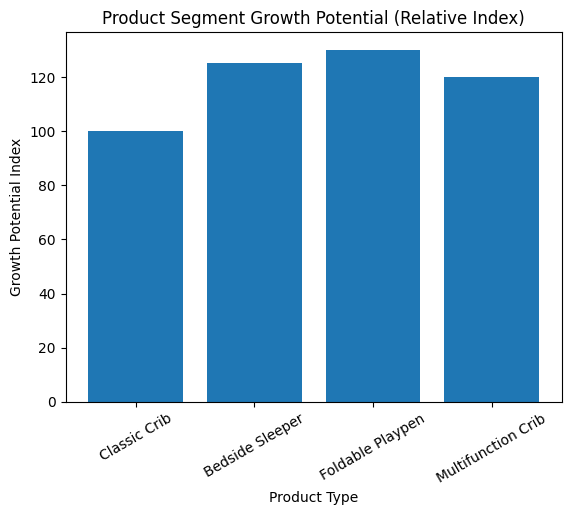
Note: Although specific middle-east product type share data is limited, broader category forecasts (cribs, cots, and nursery furniture) remain key contributors in regional growth projections.
Distribution Channels
The children’s furniture market in the Middle East still shows a balanced distribution between offline and online retail — presenting both opportunities and challenges for B2B buyers:
Cost, Logistics & Compliance Considerations
For B2B buyers, procurement cost and logistics remain significant:
Procurement Tip: Evaluate container level profitability — not just unit price — to align product selection with logistics cost and channel strategy.
Consumer Trends in the Middle East
Industry observations highlight these ongoing behaviors:
Strategic Insights for B2B Buyers
Quick Summary for Buyers
Cool Baby provides premium cribs, baby swings, and indoor children's products for families worldwide. With 300+ patents and lab-validated safety, we deliver innovative, high-quality baby gear trusted in 72 countries. Request a catalog today.
237158, Longshu Road, North Industry Park, Jin'an Zone, Lu'an City, Anhui Province, China
Copyright © 2025 by Anhui Coolbaby Science & Technology Development Corporation Privacy Policy

 EN
EN