ຄວາມເປັນໄປຂອງຊ່ວງທະຫານ
ສ່ວນທີ່ເປັນເຄື່ອງເຟີນີເຈີສຳລັບເດັກນ້ອຍ ແລະ ເດັກກ່ອນໄວຮຽນໃນເຂດເອເຊຍກາງ ກຳລັງຂະຫຍາຍຕົວ ເນື່ອງຈາກການເມືອງເພີ່ມຂຶ້ນ ລາຍໄດ້ທີ່ສາມາດໃຊ້ໄດ້ເພີ່ມຂຶ້ນ ແລະ ຜູ້ປົກຄອງມີຄວາມສົນໃຈຫຼາຍຂຶ້ນຕໍ່ຜະລິດຕະພັນທີ່ມີຄຸນນະພາບສູງ ແລະ ມີຫຼາຍໆປະເພດການໃຊ້ງານ. ໃນຂະນະທີ່ຕະຫຼາດເຄື່ອງເຟີນີເຈີສຳລັບເດັກ ແລະ ຫ້ອງນອນເດັກທົ່ວໂລກຖືກຄາດຄະເນວ່າຈະເຕີບໂຕຢ່າງຕໍ່ເນື່ອງໃນປີຕໍ່ໄປ ຄວາມແຕກຕ່າງດ້ານພື້ນທີ່ຈະແຕກຕ່າງກັນໄປຕາມແຕ່ລະຕະຫຼາດ. ອີງຕາມ Statista, ລາຍຮັບຈາກເຄື່ອງເຟີນີເຈີສຳລັບເດັກນ້ອຍ ແລະ ເດັກກ່ອນໄວຮຽນໃນເຂດ GCC — ລວມທັງ ສາໂອດີອາຣະເບຍ, ສະຫະອານາຈັກອາຣັບເອມີເຣດ, ຕາເຕີ, ອົມັນ, ບາຮາເຍນ ແລະ ກຸວາເຕີ — ຖືກຄາດຄະເນວ່າຈະຢູ່ທີ່ 408 ລ້ານໂດລາສະຫະລັດ ໃນປີ 2025.
ທົ່ວໂລກ, ຕະຫຼາດເຄື່ອງເຟີນີເຈີສຳລັບເດັກນ້ອຍ ແລະ ຫ້ອງນອນຂອງເດັກນ້ອຍ — ລວມທັງຕູ້ເດັກ, ເຕັງເດັກ, ແຖວເດັກ, ລົດເຂັນເດັກ ແລະ ຜະລິດຕະພັນທີ່ກ່ຽວຂ້ອງ — ມີການຄາດຄະເນວ່າຈະເຕີບໂຕຈາກປະມານ 33.6 ຕື້ໂດລາສະຫະລັດໃນປີ 2025 ເປັນ 47.3 ຕື້ໂດລາສະຫະລັດໃນປີ 2031, ເຊິ່ງເປັນອັດຕາການເຕີບໂຕຕໍ່ປີ (CAGR) ປະມານ 5.8% ໃນໄລຍະປີ 2026–2031.
ໃນເຂດຕາເວັນອອກກາງ ແລະ ອາຟຣິກາ ທີ່ກວ້າງຂວາງຂຶ້ນ, ການທົບທວນຕະຫຼາດແຫ່ງໜຶ່ງບອກວ່າ ຕະຫຼາດເຄື່ອງເຟີນີເຈີສຳລັບເດັກນ້ອຍທັງໝົດ (ລວມເຖິງເຄື່ອງເຟີນີເຈີສຳລັບເດັກນ້ອຍທີ່ບໍ່ໄດ້ຈຳກັດເພີ່ງເກີດເທົ່ານັ້ນ) ອາດຈະບັນລຸປະມານ 13.17 ຕື້ໂດລາສະຫະລັດໃນປີ 2030, ດ້ວຍອັດຕາການເຕີບໂຕຕໍ່ປີ (CAGR) ຈາກ 22.8% ໃນໄລຍະປີ 2022–2030.
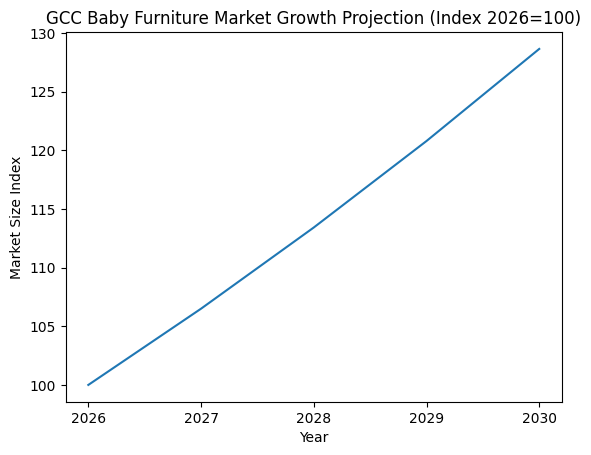
ສິ່ງນີ້ໝາຍຄວາມວ່າຢ່າງໃດຕໍ່ເຄື່ອງເຟີນີເຈີສຳລັບເດັກນ້ອຍ: ເຖິງແມ່ນວ່າການຄາດຄະເນເປັນເລື່ອງເຄື່ອງເຟີນີເຈີສຳລັບເດັກນ້ອຍເທົ່ານັ້ນຈະບໍ່ມີໃຫ້ເຫັນຢ່າງເປີດເຜີຍສຳລັບປີ 2026–2030, ພາກສ່ວນອຸດສາຫະກຳຫຼາຍດ້ານກໍໄດ້ຊີ້ໃຫ້ເຫັນວ່າມີການຂະຫຍາຍຕົວຢ່າງຕໍ່ເນື່ອງໃນສ່ວນຕະຫຼາດທີ່ກ່ຽວຂ້ອງກັນ ໂດຍມີປັດໄຈດ້ານປະຊາກອນ, ເສດຖະກິດ ແລະ ແນວທາງດຳລົງຊີວິດເປັນຕົວຂັບເຄື່ອນ.
ແນວໂນ້ມການຈັດປະເພດຕະຫຼາດ
ຜະລິດຕະພັນທີ່ສອດຄ່ອງກັບປະສິດທິພາບໃນການປະຢັດພື້ນທີ່, ການປະຕິບັດຕາມການຮັບຮອງ, ແລະ ຄວາມຫຼາກຫຼາຍຂອງການໃຊ້ງານ ມີຄວາມຕ້ອງການທີ່ຄ່ອນຂ້າງເຂັ້ມແຂງໃນໝວດເຄື່ອງເຟີນີເຈີສຳລັບທາລົກໃໝ່ທີ່ໃຊ້ພາຍໃນບ້ານ:
|
ປະເພດຜະລິດຕະພັນ |
ຄວາມຕ້ອງການທີ່ເປັນປົກກະຕິຂອງຜູ້ຊື້ |
ປັດໄຈຄວາມຕ້ອງການ |
|
ຕູ້ນອນ (ຖາວອນ) |
ຄອບຄົວແບບດັ້ງເດີມ |
ความทนทานและความปลอดภัย |
|
ຕູ້ນອນທີ່ຕັ້ງຢູ່ຂ້າງເຕັ້ງເຕັ້ງນອນ |
ຜູ້ປະກອບຄອບຄົວທີ່ນອນຮ່ວມກັນໃນເຂດເມືອງ |
ຄວາມສະດວກສະບາຍ ແລະ ຄວາມປອດໄພທີ່ສອດຄ່ອງກັນ |
|
ຕູ້ນອນທີ່ພັບໄດ້ |
ຜູ້ທີ່ຢູ່ໃນອາພາດເມັ້ນ |
ປະສິດທິພາບໃນການປະຢັດພື້ນທີ່ ແລະ ຄວາມງ່າຍໃນການຂົນສົ່ງ |
|
ຕູ້ນອນຫຼາຍໆປະເພດ |
ຄວາມຕ້ອງການສິນຄ້າທີ່ມີຄຸນນະພາບສູງ ແລະ ມີຫຼາຍໆປະເພດ |
ອາຍຸການໃຊ້ງານທີ່ຍາວນານຂຶ້ນ ແລະ ມີຄຸນສົມບັດຫຼາຍຂຶ້ນ |
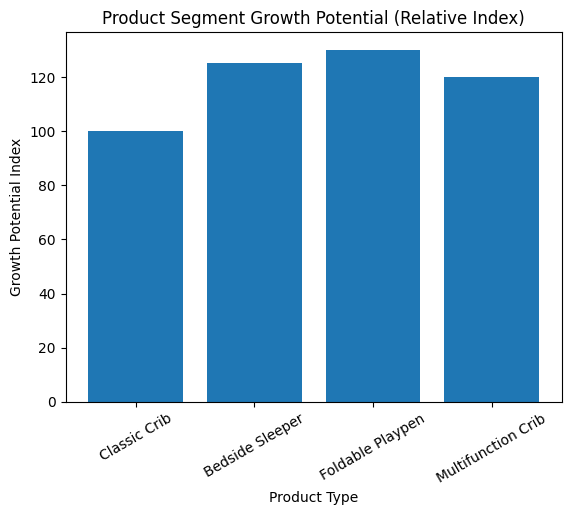
ໝາຍເຫດ: ເຖິງແມ່ນວ່າຂໍ້ມູນກ່ຽວກັບສ່ວນແບ່ງຂອງຜະລິດຕະພັນປະເພດກາງໃນເຂດເຄື່ອງໝາຍເອີຣົບກາງຈະມີຈຳກັດ, ແຕ່ການ прогноз (ການຄາດຄະເນ) ສຳລັບປະເພດທີ່ກວ້າງຂວາງຂຶ້ນ (ຕູ້ນອນ, ເຕັ້ນນອນ, ແລະ ເຟີນີເຈີຫ້ອງເດັກ) ຍັງຄົງເປັນປັດໄຈສຳຄັນທີ່ຊ່ວຍຂັບເຄື່ອນການເຕີບໂຕຂອງເຂດ.
ຊ່ອງທາງການຈັດຈຳຫຼາຍ
ຕະຫຼາດເຟີນີເຈີສຳລັບເດັກໃນເຂດເຄື່ອງໝາຍເອີຣົບກາງຍັງສະແດງໃຫ້ເຫັນການຈັດຈຳຫຼາຍທີ່ສົມດຸນລະຫວ່າງຮ້ານຄ້າທີ່ບໍ່ໄດ້ເຊື່ອມຕໍ່ອິນເຕີເນັດ ແລະ ຮ້ານຄ້າອອນໄລນ໌ — ເຊິ່ງເປີດເຜີຍທັງໂອກາດ ແລະ ອຸປະສັກສຳລັບຜູ້ຊື້ B2B:
ຄຳພິຈາລະນາດ້ານຕົ້ນທຶນ, ການຈັດສົ່ງ ແລະ ການປະຕິບັດຕາມຂໍ້ກຳນົດ
ສຳລັບຜູ້ຊື້ B2B, ຕົ້ນທຶນການຈັດຊື້ ແລະ ການຈັດສົ່ງຍັງຄົງເປັນເລື່ອງທີ່ສຳຄັນ:
ຄຳແນະນຳດ້ານການຈັດຊື້: ປະເມີນການຫາປະໄວ້ຂອງການຂົນສົ່ງໃນລະດັບຕູ້ – ບໍ່ແມ່ນພຽງແຕ່ລາຄາຕໍ່ໜ່ວຍເທົ່ານັ້ນ – ເພື່ອໃຫ້ການເລືອກຜະລິດຕະພັນສອດຄ່ອງກັບຕົ້ນທຶນດ້ານການຂົນສົ່ງ ແລະ ແນວທາງດ້ານຊ່ອງທາງການຈຳ່ຫນ່າຍ.
ແນວໂນ້ມຂອງຜູ້ບໍລິໂພກໃນເຂດເອເຊຍກາງ
ການສັງເກດອຸດສາຫະກຳເນັ້ນໃສ່ພຶດຕິກຳເຫຼົ່ານີ້ທີ່ຍັງຄົງດຳເນີນຢູ່:
ຄຳແນະນຳເຊິ່ງມີຄວາມສຳຄັນດ້ານຍຸດທະສາດສຳລັບຜູ້ຊື້ B2B
ການ ສະຫຼຸບ ໂດຍ ໄວ ສໍາລັບ ຜູ້ ຊື້
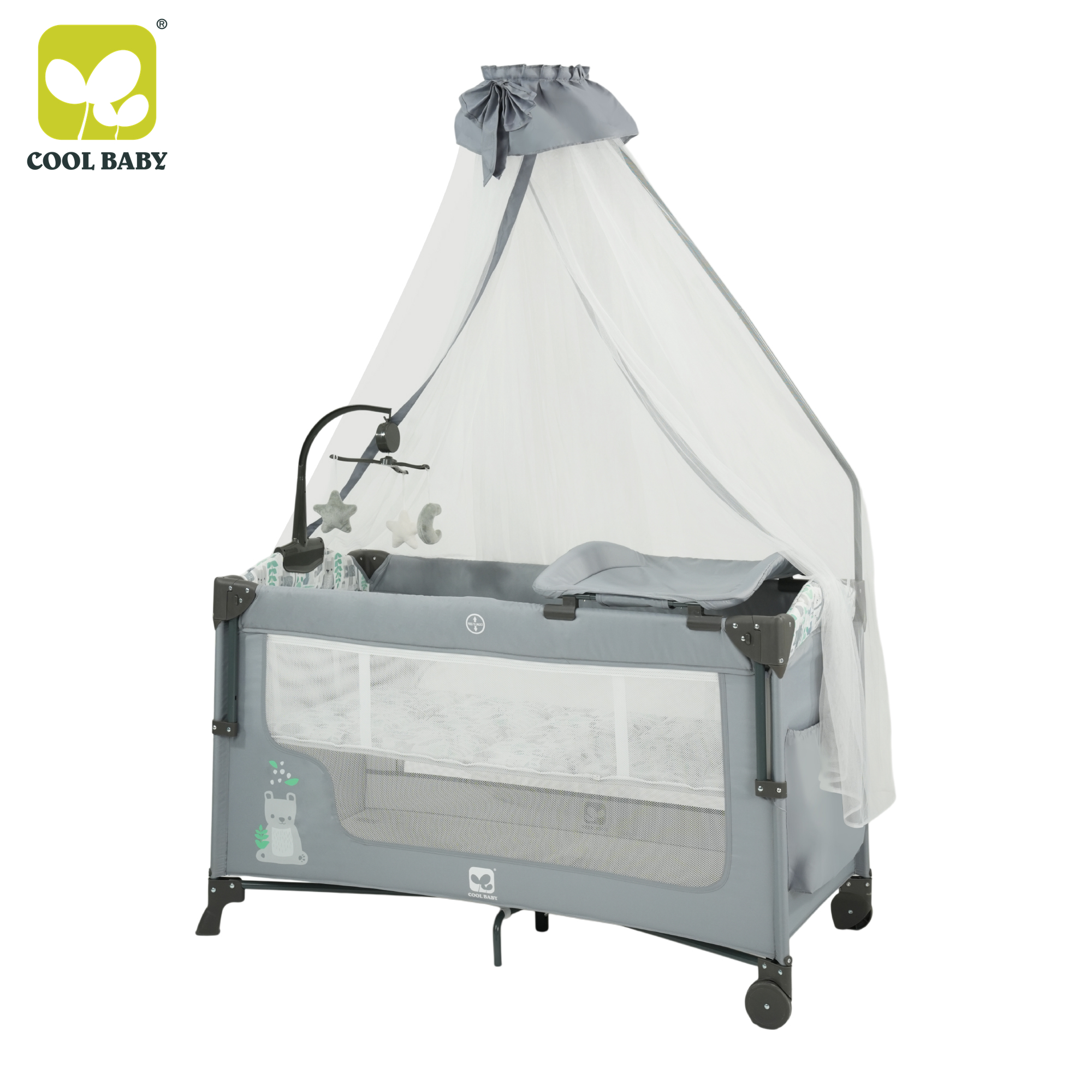
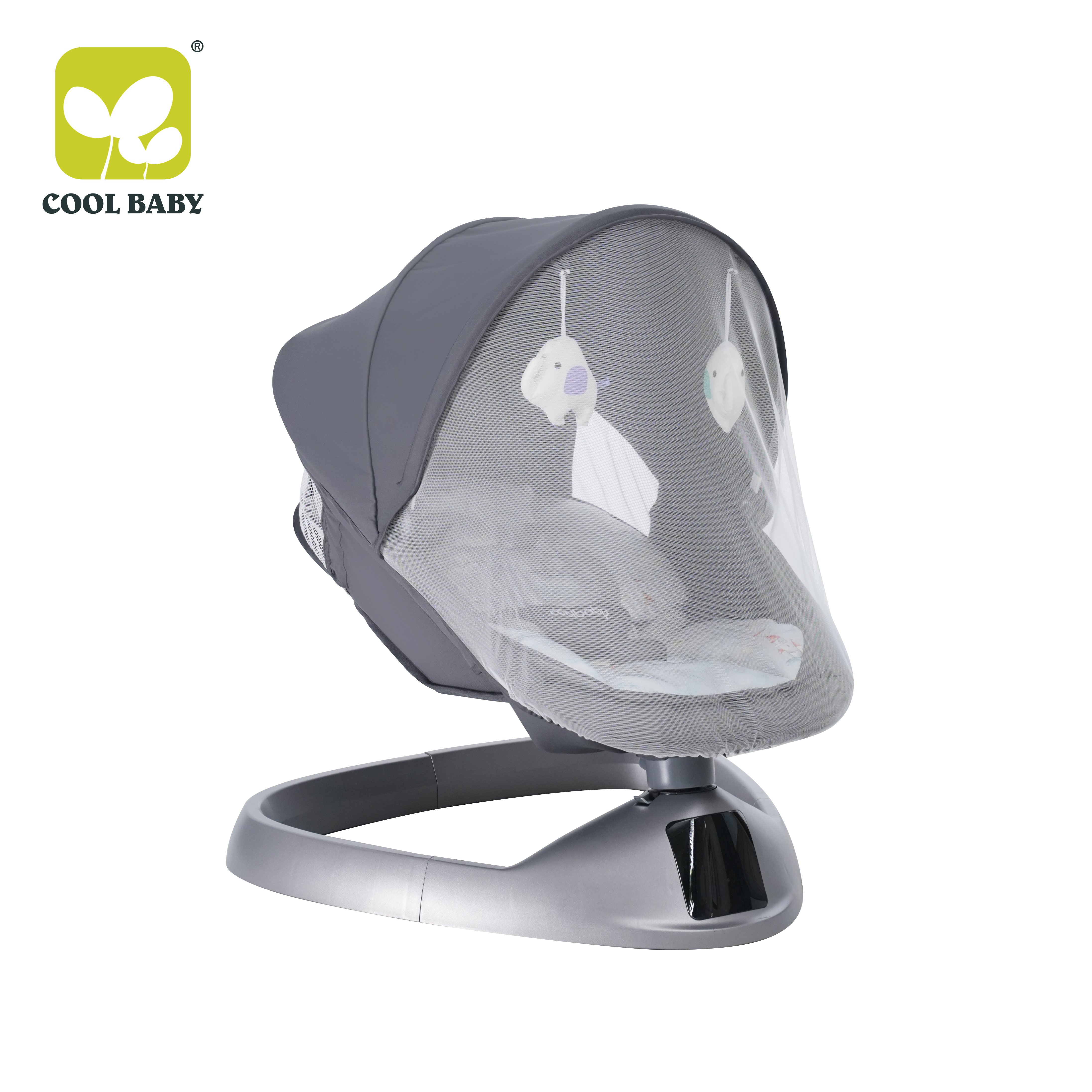
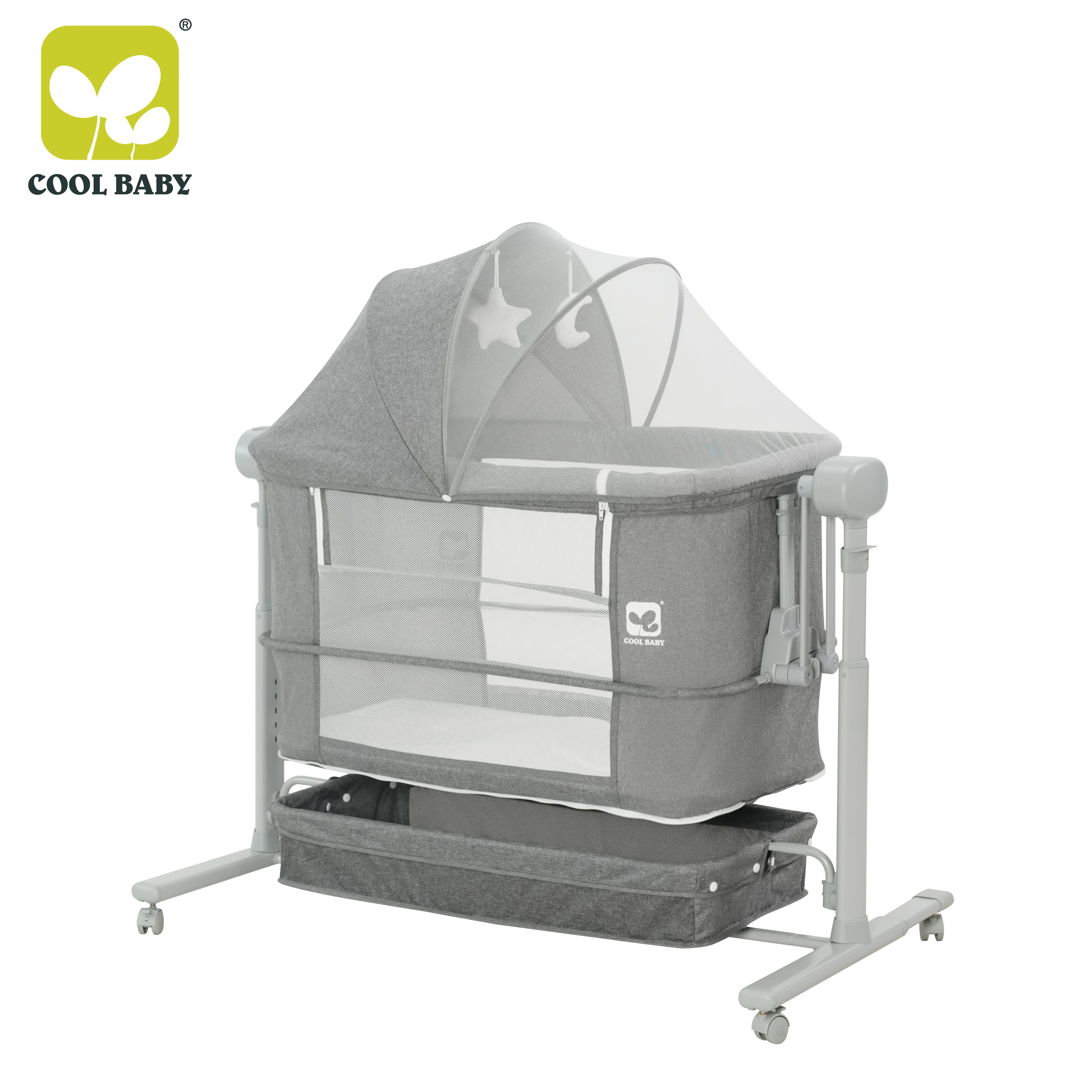
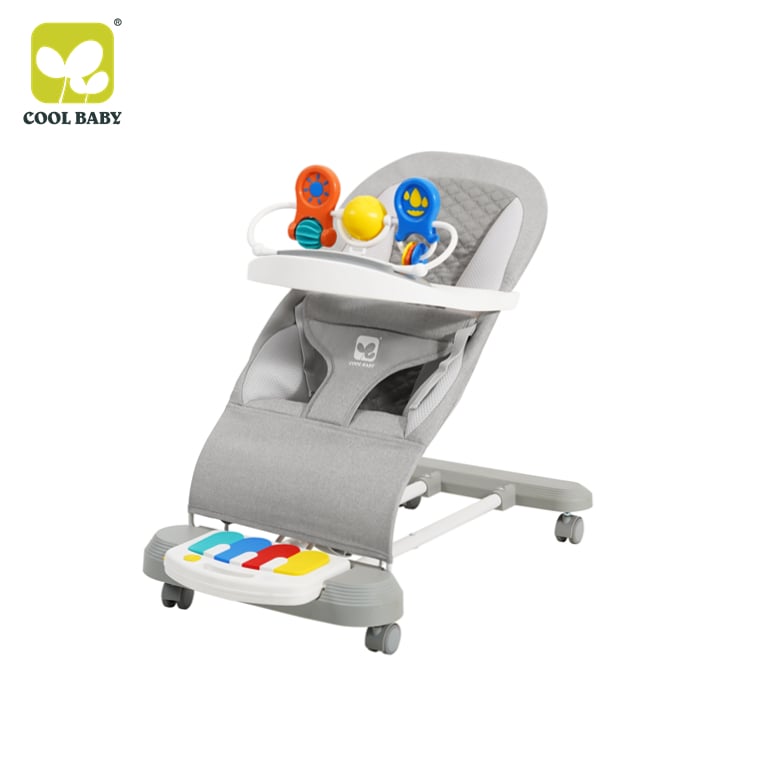
Cool Baby ສະໜອງເຕັຽງເດັກຄຸນນະພາບສູງ, ເຕັຽງໄວ້ເດັກ, ແລະ ຜະລິດຕະພັນໃນຮົ່ມສຳລັບເດັກ ໃຫ້ແກ່ຄອບຄົວທົ່ວໂລກ. ພວກເຮົາມີສິດທິບັດຫຼາຍກວ່າ 300 ສິດທິບັດ ແລະ ການຢັ້ງຢືນຄວາມປອດໄພຈາກຫ້ອງທົດລອງ, ພວກເຮົາສະໜອງອຸປະກອນເດັກທີ່ທັນສະໄໝ ແລະ ມີຄຸນນະພາບສູງ ທີ່ໄດ້ຮັບຄວາມໄວ້ວາງໃຈໃນ 72 ປະເທດ. ຂໍຮັບປື້ມຕາລາງຜະລິດຕະພັນມື້ນີ້.
237158, Longshu Road, North Industry Park, Jin'an Zone, Lu'an City, Anhui Province, China
Copyright © 2025 by Anhui Coolbaby Science & Technology Development Corporation ນະໂຍບາຍຄວາມເປັນສ່ວນຕົວ

 EN
EN