 ×
×

Strategic Insights for Baby Product Importers, Distributors, and Retailers
Summary
Consumer preferences for baby cribs and co-sleeping-related products in GCC countries are increasingly shaped by three practical needs: safe newborn care, convenience for parents, and space-efficient home living.
In markets such as Saudi Arabia, the United Arab Emirates, Qatar, Kuwait, Bahrain, and Oman, urban households often look for baby furniture that can support daily care while fitting modern apartments, family homes, and online retail expectations. For B2B buyers, this means the opportunity is not limited to traditional baby cribs. Bedside sleepers, foldable baby playpens, electric baby bassinets, baby rockers, and multifunction cribs are becoming important categories to consider when building a market-ready product line.
However, buyers should avoid treating “co-sleeping” as a simple marketing term. International safe sleep guidance generally emphasizes that infants should sleep on a firm, flat, separate sleep surface. Therefore, product positioning should focus on “bedside sleeper,” “room-sharing,” “easy night care,” and “separate baby sleep space,” rather than unsafe bed-sharing claims.
For GCC importers and distributors, the most practical strategy is to build a balanced SKU structure: stable classic cribs for traditional channels, bedside sleepers and foldable playpens for urban families, and electric comfort-care products for mid-to-premium retail and e-commerce channels.
Market Context: Why GCC Consumer Preferences Are Changing
The GCC baby furniture market is influenced by broader lifestyle, economic, and retail changes. GCC countries have highly urbanized populations, relatively developed retail infrastructure, and fast-growing digital shopping behavior. These conditions affect how young families evaluate newborn indoor products.
In urban households, parents often consider the following factors before purchasing baby furniture:
This does not mean that every GCC consumer wants high-end products. The region contains different income levels, retail formats, and city tiers. But compared with purely price-sensitive markets, GCC buyers often pay more attention to design, convenience, product presentation, packaging quality, and feature combinations.
For B2B buyers, this creates a clear sourcing question:
Which baby furniture categories can match both consumer lifestyle changes and importer-level profit requirements?
Key Market Drivers Behind GCC Baby Furniture Preferences
1. Urban Living and Bedroom Space Efficiency
Many GCC consumers live in urban areas where apartment layouts, bedroom size, and storage space influence product selection. This supports demand for products that are compact, foldable, movable, or multifunctional.
Relevant product categories include:
For importers and distributors, space-saving design is not only a consumer benefit. It can also support more efficient packaging, easier warehouse handling, and better e-commerce delivery performance.
Buyer Insight:
Compact and foldable newborn products are better aligned with urban households and online retail channels than bulky single-function products.
2. Safe Sleep Awareness and Responsible Product Positioning
Parents increasingly care about whether baby sleep products are safe, stable, and appropriate for newborn use. For this reason, B2B buyers should be careful when using the term “co-sleeping.”
In consumer searches, “co-sleeping crib” or “co-sleeper” may appear as common terms. But in professional product communication, it is safer and more responsible to emphasize:
This positioning avoids suggesting that the baby should sleep directly in the adult bed.
Buyer Insight:
For GCC markets, bedside sleepers should be marketed around night-care convenience and separate baby sleep space, not unsafe bed-sharing.
3. Digital Retail and Product Demonstration
Saudi Arabia, the UAE, and other GCC countries have active digital shopping environments. Products that can be clearly shown through images, short videos, and feature demonstrations are more suitable for e-commerce.
This favors products with visible and easy-to-understand functions, such as:
For online sellers, the product must be easy for consumers to understand quickly. A product with clear visual functions can reduce hesitation and improve product-page engagement.
Buyer Insight:
E-commerce-friendly products should have clear visual features, manageable carton size, easy assembly, and low return risk.
4. Convenience-Focused Parenting
Convenience is becoming an important product value in newborn indoor categories. Parents are not only looking for a place for the baby to sleep. They also want products that reduce daily care pressure.
This supports demand for:
However, convenience features must be practical and reliable. Too many functions without stable structure or clear instructions may increase complaints and after-sales cost.
Buyer Insight:
Function-driven products can improve retail value, but B2B buyers should evaluate long-term reliability, spare parts, packaging, and instruction clarity before placing bulk orders.
Product Category Analysis
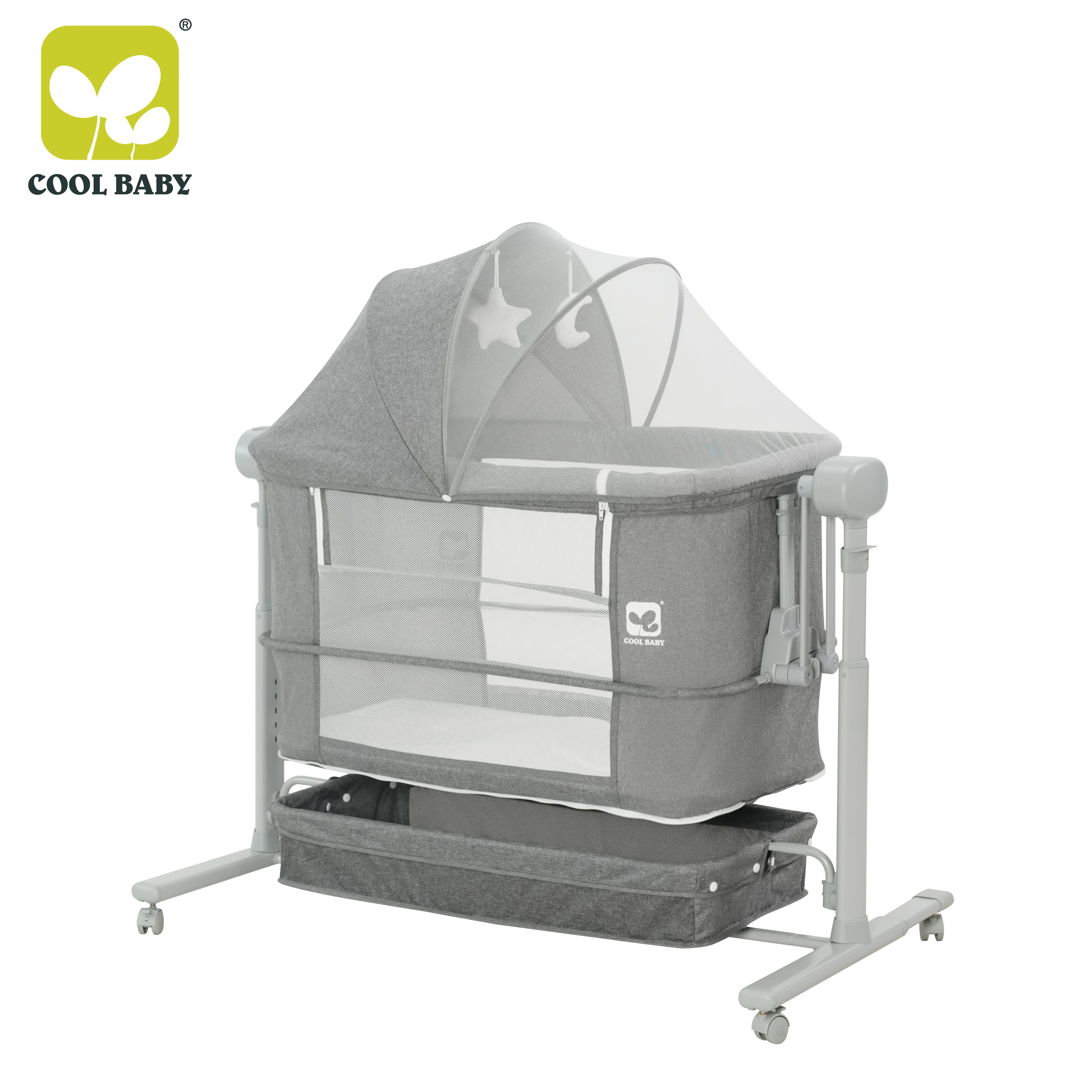
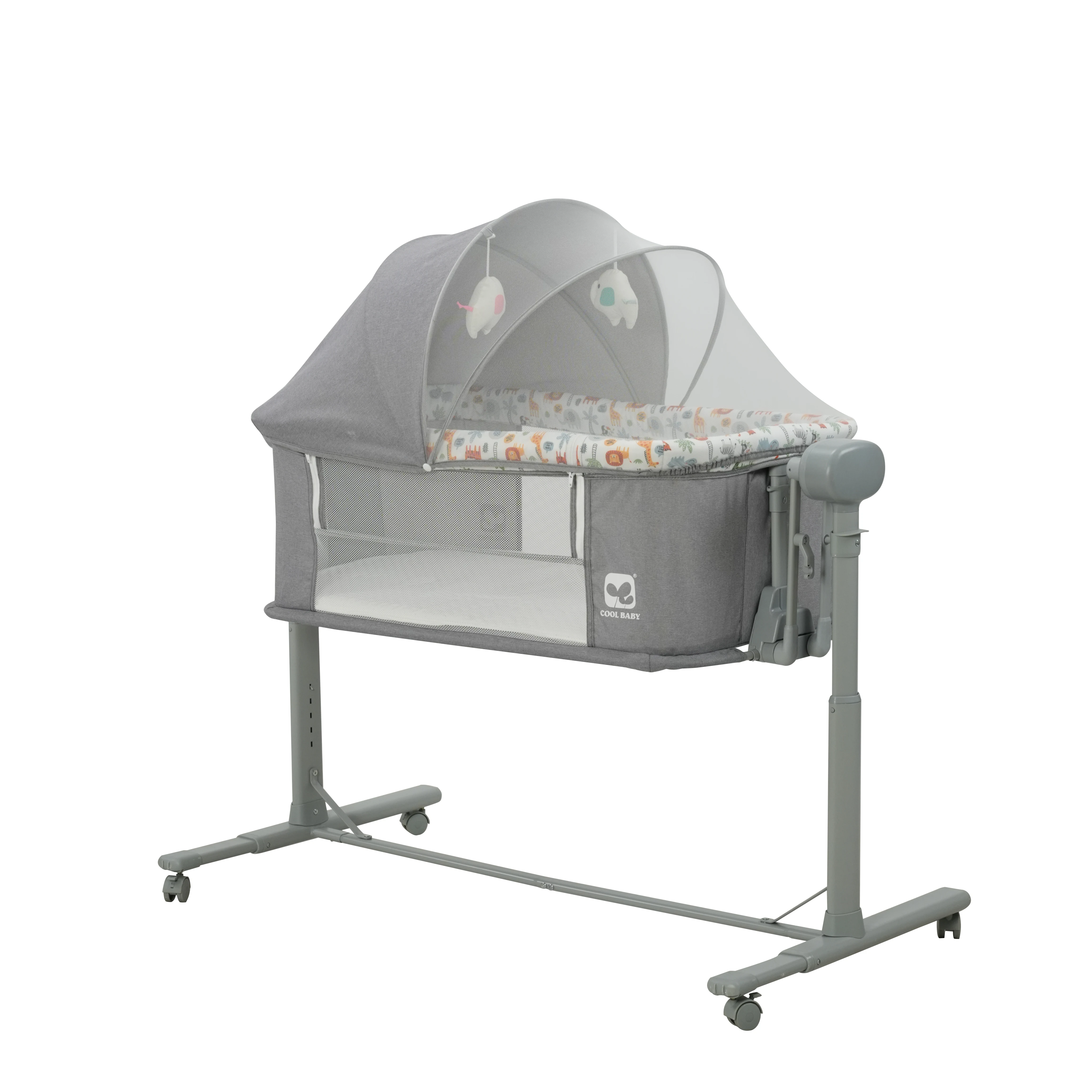
1. Bedside Sleepers: Convenience, Proximity, and Safe Positioning
Bedside sleepers are one of the most relevant product categories for GCC urban households. The appeal is easy to understand: parents want the baby close during the night, especially for feeding, checking, and comforting, while still keeping the baby in a separate sleeping space.
From a consumer perspective, the most valued features usually include:
For GCC buyers, the key point is product positioning. The term “co-sleeping” may be used in consumer searches, but it should be handled carefully. In professional product descriptions, it is better to describe the product as a bedside sleeper or room-sharing baby bed.
Buyer Insight:
Bedside sleepers are suitable for importers and distributors targeting urban families, baby specialty stores, online sellers, and mid-to-premium retail channels. The product should be positioned around convenience and separate baby sleeping space, not unsafe bed-sharing.
2. Classic Baby Cribs: Stable Demand, But Less Flexible for Small Spaces
Classic baby cribs still have stable demand in GCC markets, especially among families who prefer a more traditional nursery setup. These products are suitable for retail stores, distributors, and customers who want a longer-use baby bed.
However, classic cribs face several practical limitations:
This does not mean classic cribs should be removed from the product line. Instead, they should be treated as stable-volume products rather than the only core category.
Buyer Insight:
Classic baby cribs are suitable for distributor networks, retail stores, and traditional family buyers. For importers, the main evaluation should include carton size, assembly complexity, material quality, and retail display value.
3. Foldable Baby Playpens: Strong Fit for Urban Living and E-Commerce
Foldable baby playpens are highly relevant for GCC markets because they solve several practical problems at once. They can be used for baby sleeping, daytime care, travel, and play. They are also easier to pack, store, and ship compared with many rigid crib products.
For consumers, the value is clear:
For B2B buyers, foldable playpens offer another advantage: logistics efficiency. A product that is easier to fold and pack may support better container planning, lower storage pressure, and more flexible retail distribution.
Buyer Insight:
Foldable playpens are a strong category for e-commerce sellers, regional distributors, and importers serving mixed retail channels. In GCC markets, they are especially suitable for buyers who need a practical, mid-price, family-friendly product with broad channel adaptability.
4. Electric Baby Bassinets and Cradles: Convenience-Focused Parenting
Electric baby bassinets and electric cradles match the growing demand for convenience-focused newborn care. These products are not only furniture items; they are also perceived as care-support products that help parents with soothing, rocking, and daily baby routines.
Common consumer-facing features include:
In GCC markets, electric baby bassinets are more suitable for mid-to-premium product positioning. They are particularly relevant for baby specialty stores, online product videos, social media promotion, and brand-led product lines.
However, importers should also consider after-sales details before bulk purchasing:
Buyer Insight:
Electric baby bassinets and cradles can improve product differentiation, but they require stronger supplier coordination. Buyers should evaluate not only the product appearance and functions, but also electrical parts, packaging, documentation, and long-term after-sales support.
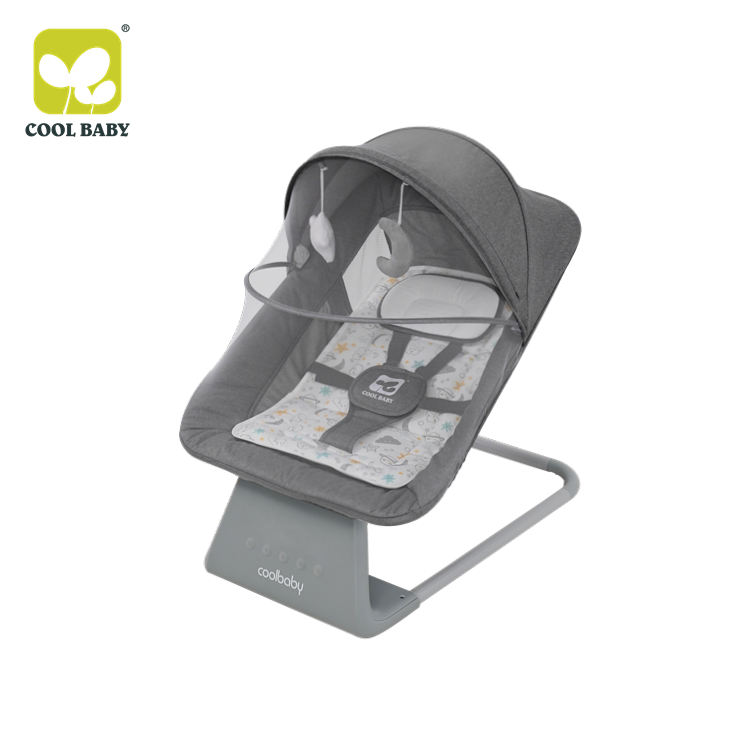
5. Electric Baby Rockers: A Lightweight Comfort-Care Category
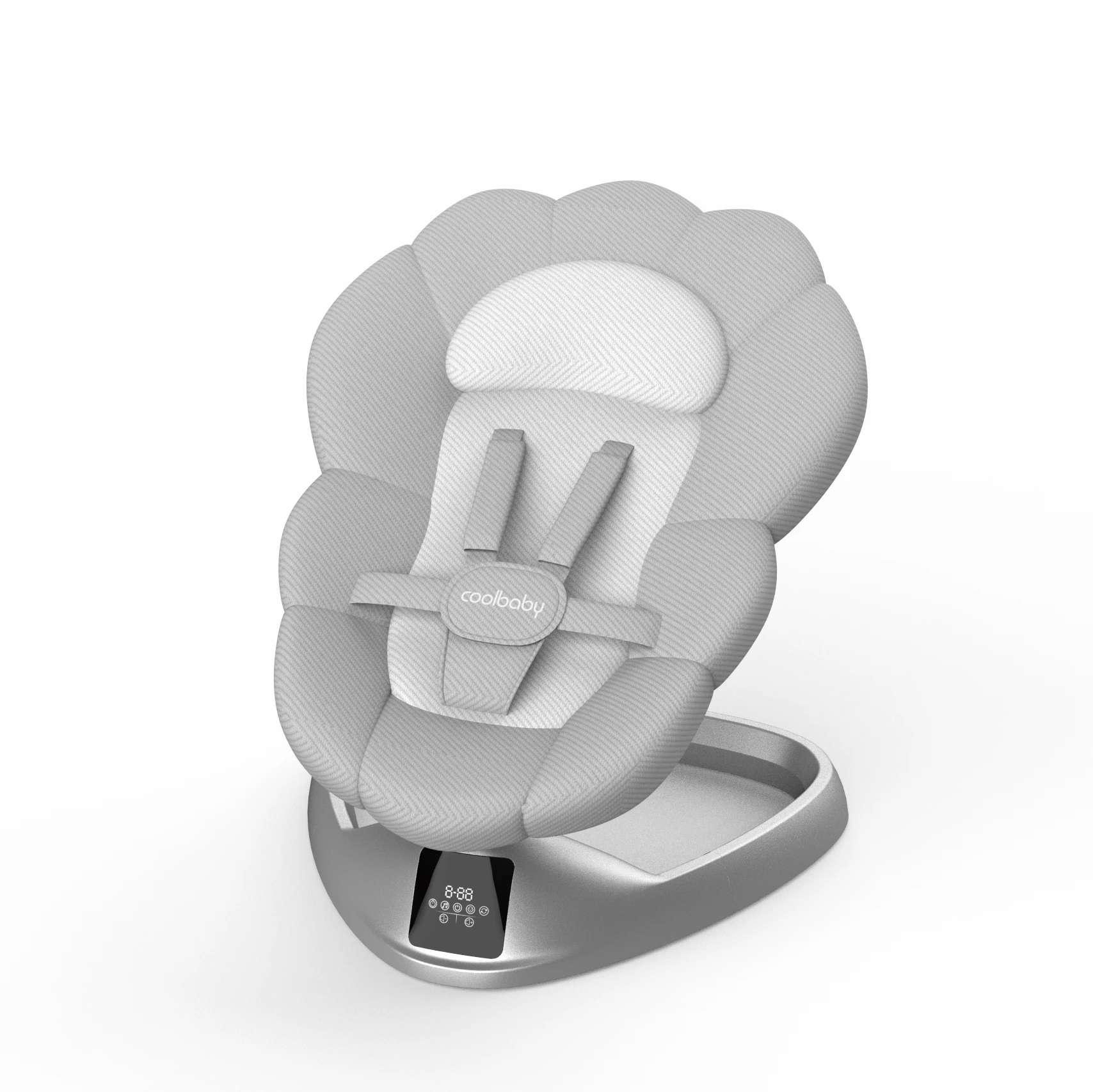
Electric baby rockers are another category that fits modern parenting habits in GCC countries. Compared with larger cribs or bassinets, baby rockers are lighter, easier to display in video content, and more suitable for online product demonstration.
Consumer interest is often driven by:
From a B2B perspective, electric baby rockers can work well as an add-on category. They may not replace baby cribs or playpens, but they can help importers expand their newborn indoor product line and increase average order value.
Buyer Insight:
Electric baby rockers are suitable for online sellers, retail stores, and distributors looking for a visually attractive, function-driven product. Buyers should pay attention to product stability, seat angle, fabric comfort, safety harness, and electronic component reliability.
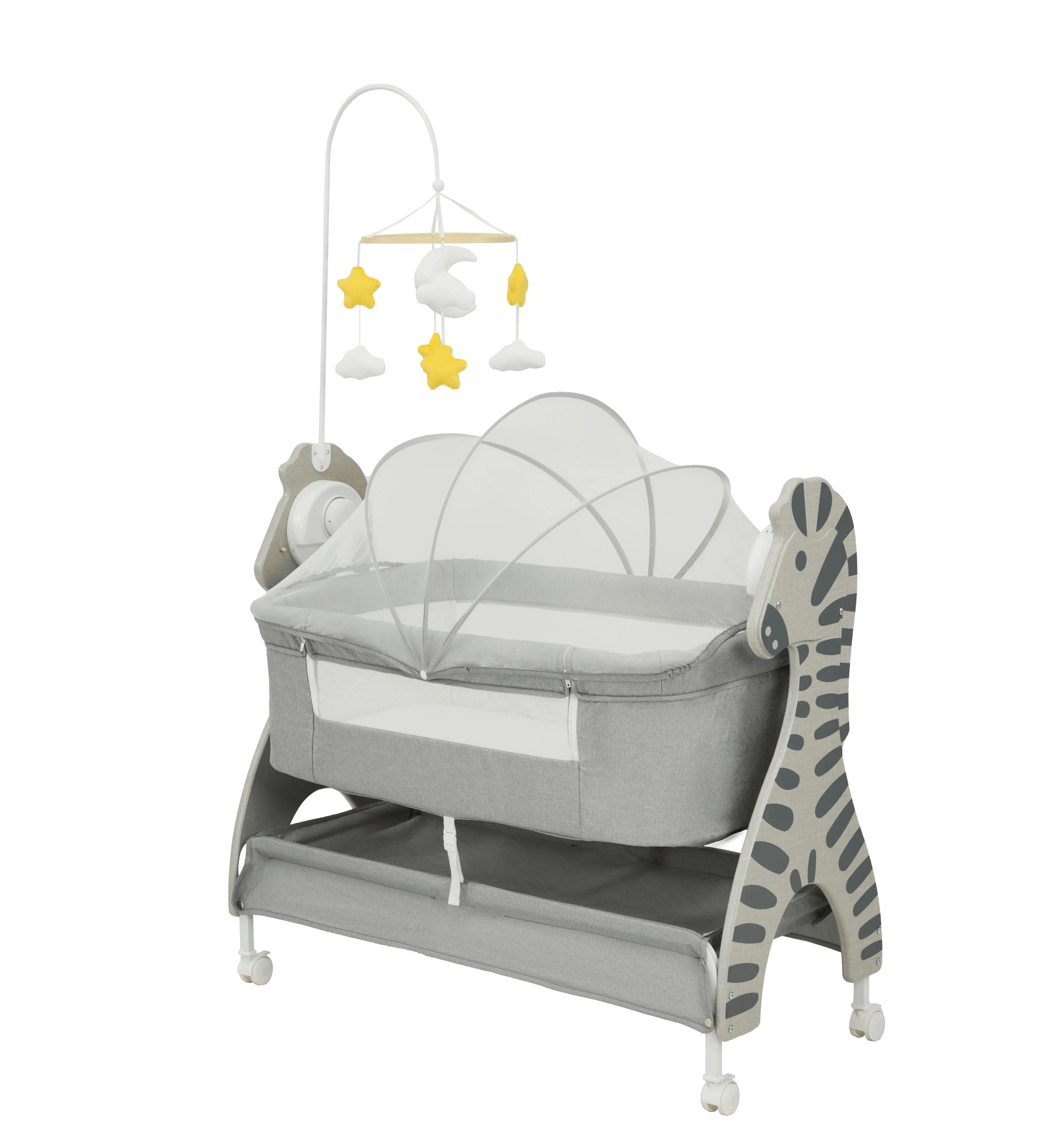
6. Multifunction Baby Cribs: Premium Appeal, Higher Procurement Requirements
Multifunction baby cribs appeal to families who want one product to cover multiple needs. Depending on design, a multifunction crib may combine sleeping, bedside use, storage, rocking, mosquito protection, wheels, or convertible structure.
This category is attractive because it offers higher perceived value. However, it also requires more careful procurement decisions.
B2B buyers should evaluate:
Buyer Insight:
Multifunction cribs are more suitable for mid-to-premium channels, retail chains, and brand customers. They are not always the best choice for price-sensitive distribution, but they can support stronger brand positioning when quality and design are well controlled.
Product Preference Matrix for GCC Buyers
|
Product Category |
Consumer Preference Driver |
Best-Fit Channel |
B2B Procurement Focus |
|
Classic Baby Crib |
Traditional nursery setup, longer use |
Retail stores, distributors |
Material, stability, carton size |
|
Bedside Sleeper |
Night care, room-sharing, compact bedroom use |
Baby stores, online sellers, urban retail |
Height adjustment, side opening, safety documentation |
|
Foldable Playpen |
Portability, space-saving, multi-use |
E-commerce, distributors, wholesale |
Folding structure, accessories, container efficiency |
|
Electric Baby Bassinet |
Automatic soothing, convenience, premium care |
Baby specialty stores, online channels, brand customers |
Motor, power, spare parts, warranty |
|
Electric Baby Rocker |
Lightweight soothing, video-friendly product display |
E-commerce, retail stores |
Stability, safety harness, electronic function |
|
Multifunction Crib |
Higher perceived value, complete solution |
Retail chains, premium channels, OEM/ODM brands |
Structure, assembly, packaging, product positioning |
Chart Caption:
This matrix provides a directional comparison of major newborn indoor product categories in GCC markets. It evaluates each category by two B2B planning dimensions: logistics and e-commerce fit, and premium or function-driven consumer appeal.
The chart is not intended to represent market share or exact sales volume. Instead, it helps importers, distributors, retailers, and OEM/ODM buyers compare product categories from a practical sourcing perspective.
This matrix is an illustrative relative index based on category-level demand signals, e-commerce product observations, and B2B procurement logic. It is not market share data or an exact sales forecast.
|
Logistics & E-commerce Fit |
Premium / Function-Driven Appeal |
Strategic Interpretation |
|
|
Foldable Playpen |
4.8 |
3.5 |
Strong fit for e-commerce, apartment households, and broad distribution |
|
Bedside Sleeper |
4.1 |
4.0 |
Strong fit for urban parents seeking night-care convenience and room-sharing solutions |
|
Electric Baby Bassinet |
3.4 |
4.8 |
High premium appeal, but requires stronger after-sales and electrical component management |
|
Electric Baby Rocker |
4.4 |
4.2 |
Video-friendly, lightweight, and suitable for online retail and function-driven buyers |
|
Multifunction Crib |
2.9 |
4.5 |
Strong perceived value, but higher packaging, assembly, and logistics complexity |
|
Classic Baby Crib |
2.6 |
2.8 |
Stable traditional demand, but less flexible for compact homes and online delivery |
Distribution Channel Implications
Retail Chains
Retail chains usually prefer products with strong visual presentation, stable packaging, clear function labels, and reliable after-sales support. Bedside sleepers, multifunction cribs, electric bassinets, and selected laminated baby beds can perform well in this channel.
Retail buyers often care about:
For this channel, suppliers should provide complete product images, packaging information, user manuals, safety warnings, spare parts lists, and clear product positioning.
E-Commerce Channels
E-commerce channels in GCC markets favor products that are easy to understand from photos and videos. Foldable playpens, bedside sleepers, electric baby rockers, and compact bassinets are suitable because their functions can be demonstrated clearly online.
Online sellers should focus on:
For e-commerce channels, a product is not only judged by its factory price. Product-page clarity, customer expectation management, packaging protection, and easy assembly can directly affect review quality and return rates.
Distributor Networks
Local distributors often need products that can cover different city levels and price segments. For this channel, a balanced product mix is more important than relying on only one premium model.
A practical distributor product mix may include:
Distributors should avoid building their entire portfolio around only high-end electric models. A better structure is usually a mix of stable-volume products, mid-range functional products, and selected premium models.
Premium Brand and OEM/ODM Channels
Premium brand buyers and OEM/ODM customers often care more about product differentiation, design consistency, packaging, and long-term supply stability.
Suitable product categories include:
For these buyers, product sourcing should include early discussion about brand positioning, packaging style, color options, instruction language, certification documents, and future product development plans.
Cost and Logistics Considerations
Consumer preference is only one side of the decision. For B2B buyers, product selection must also match import cost, warehouse efficiency, delivery requirements, and after-sales management.
Key logistics questions include:
A lower unit price does not always mean a better product choice. For importers, the more important metric is often container-level profitability.
Container-Level Profit =
(Unit Margin × Units per Container) – Freight – Local Handling Cost – Return / Damage Cost
This is especially important for GCC buyers because retail competition, delivery cost, and customer service expectations can directly affect final profitability.
Compliance and Safety Documentation
Baby cribs, bedside sleepers, bassinets, and electric baby products are sensitive categories. B2B buyers should request documentation before confirming bulk orders.
Recommended documents include:
For bedside sleepers, buyers should pay special attention to structural stability, attachment design, side rail safety, mattress fit, and the separation between the baby sleeping area and the adult bed.
For electric bassinets and rockers, buyers should also confirm electrical safety, motor reliability, adapter specification, and after-sales spare parts.
Important Note:
This article does not claim that one single safety or electrical standard automatically applies across all GCC countries or all product categories. Importers should confirm local requirements with their customs broker, local authority, testing partner, or compliance consultant before bulk shipment.
Strategic Takeaways for GCC Importers and Distributors
How CoolBaby Supports GCC Buyers
As a manufacturer focused on newborn indoor products, CoolBaby supports GCC importers, distributors, retailers, and OEM/ODM customers with market-aligned product options across multiple categories, including foldable baby playpens, bedside sleepers, electric baby bassinets, electric baby rockers, laminated baby beds, and multifunction cribs.
For GCC buyers, product selection is not only about choosing attractive models. It also requires matching consumer preferences, channel positioning, packaging requirements, documentation, and long-term supply stability.
CoolBaby helps buyers build practical newborn product lines by supporting:
This allows buyers to build a more scalable and market-relevant baby product portfolio for GCC retail, wholesale, distribution, and e-commerce channels.
Quick Summary for Buyers
GCC consumer preferences for baby cribs and co-sleeping-related products are shaped by urban living, convenience-focused parenting, safe sleep awareness, and e-commerce growth. Bedside sleepers, foldable playpens, electric baby bassinets, electric rockers, and multifunction cribs are increasingly relevant for urban families.
For B2B buyers, the best strategy is to build a balanced product line that combines stable-demand cribs with space-saving, multifunctional, and convenience-driven products, while carefully managing compliance, packaging, container efficiency, and after-sales support.
Sources & Data Notes
This Market Insight is based on publicly available macroeconomic data, safety guidance, regulatory references, and category-level e-commerce observations. Where exact consumer preference data is not publicly available, the article uses cautious trend analysis rather than unsupported numerical claims.
1. World Bank – Gulf Cooperation Council Economic Background
Website:
https://www.worldbank.org/ext/en/region/mna/gcc
How this source is used:
Used to understand the broader economic and development background of GCC countries. The article does not use this source to claim exact baby furniture market size.
2. World Bank Data – Urban Population
Website:
https://data.worldbank.org/indicator/SP.URB.TOTL.IN.ZS
How this source is used:
Used to support the analysis that GCC countries are highly urbanized, which is relevant to demand for compact, foldable, and space-saving baby furniture.
3. World Bank Data – GDP per Capita
Website:
https://data.worldbank.org/indicator/NY.GDP.PCAP.CD
How this source is used:
Used as macroeconomic context when discussing purchasing power differences across GCC markets. The article avoids assuming that all consumers have the same premium-product demand.
4. American Academy of Pediatrics – Safe Sleep Guidance
Website:
https://www.aap.org/en/patient-care/safe-sleep/
How this source is used:
Used to support responsible wording around baby sleep products. The article recommends positioning bedside sleepers around room-sharing and separate baby sleeping space rather than unsafe bed-sharing claims.
5. U.S. CPSC – Bedside Sleepers Business Guidance
Website:
https://www.cpsc.gov/Business–Manufacturing/Business-Education/Business-Guidance/Bedside-Sleepers
How this source is used:
Used to support the compliance reminder that bedside sleepers are a regulated infant product category in some markets and should be evaluated carefully before bulk purchasing.
6. eCFR – 16 CFR Part 1222 Safety Standard for Bedside Sleepers
Website:
https://www.ecfr.gov/current/title-16/chapter-II/subchapter-B/part-1222
How this source is used:
Used as a regulatory reference for bedside sleeper safety standards. The article does not claim this U.S. regulation automatically applies to every GCC country; it is used as an example of how professional buyers should think about product safety and documentation.
7. Saudi Communications, Space & Technology Commission – Saudi Internet Report 2024
Website:
https://www.cst.gov.sa/en/media-center/news/N2025051200
How this source is used:
Used to support the observation that digital behavior and online shopping infrastructure are highly relevant in Saudi Arabia. This helps explain why products suitable for e-commerce display, delivery, and product videos may have stronger channel fit.
8. Statista – Saudi Arabia E-Commerce Market Forecast
Website:
https://www.statista.com/outlook/emo/ecommerce/saudi-arabia
How this source is used:
Used as a reference for the growth direction of Saudi Arabia’s e-commerce market. The article uses this only as channel background, not as direct baby furniture sales data.
9. Mumzworld – Baby Furniture Category Observation
Website:
https://www.mumzworld.com/sa-en/c/nursery-bedroom/baby-furniture
How this source is used:
Used for category-level observation of baby crib, bassinet, bedside crib, and multifunction baby furniture offerings in a Middle East-focused online retail environment.
10. Noon UAE – Baby Bassinet / Bedside Crib Product Observation
Website:
https://www.noon.com/uae-en/
How this source is used:
Used for category-level observation of online baby product presentation, including bedside crib, bassinet, foldable crib, mosquito net, wheels, and storage-basket features.
11. Centrepoint UAE – Baby Beds & Cribs Category Observation
Website:
https://www.centrepointstores.com/ae/en/c/baby-nursery-furniture-cribsandbeds
How this source is used:
Used to observe how baby cribs, co-sleepers, side bassinets, and convertible cribs are presented in a GCC retail environment.
Data Limitation Statement
Publicly available data on exact GCC consumer preference percentages for baby cribs, bedside sleepers, electric bassinets, and foldable playpens is limited. Therefore, this article avoids claiming exact preference shares or category sales percentages.
Instead, the analysis combines:
This approach is designed to provide practical sourcing insight without overstating the available data.
Editorial Note for Website Publishing
This article is designed as a Market Insight page for B2B baby product buyers. It is not intended to replace local compliance review, importer due diligence, or market-specific legal advice.
Cool Baby provides premium cribs, baby swings, and indoor children's products for families worldwide. With 300+ patents and lab-validated safety, we deliver innovative, high-quality baby gear trusted in 72 countries. Request a catalog today.
237158, Longshu Road, North Industry Park, Jin'an Zone, Lu'an City, Anhui Province, China
Copyright © 2025 by Anhui Coolbaby Science & Technology Development Corporation Privacy Policy

 EN
EN