
 EN
EN


What Are the Key Factors for Retailers to Select Baby Bed Suppliers?
What Should Retailers Consider When Selecting Suppliers for Baby Beds?
New retailers branching into the baby product niche need to find right baby bed suppliers during the first steps of building their business. Starting with the right supplier can help secure the quality and consistency of supply and help the retailer gain a competitive edge and assist in business growth. This article explains the main points retailers should evaluate.
Safety and Quality Certification
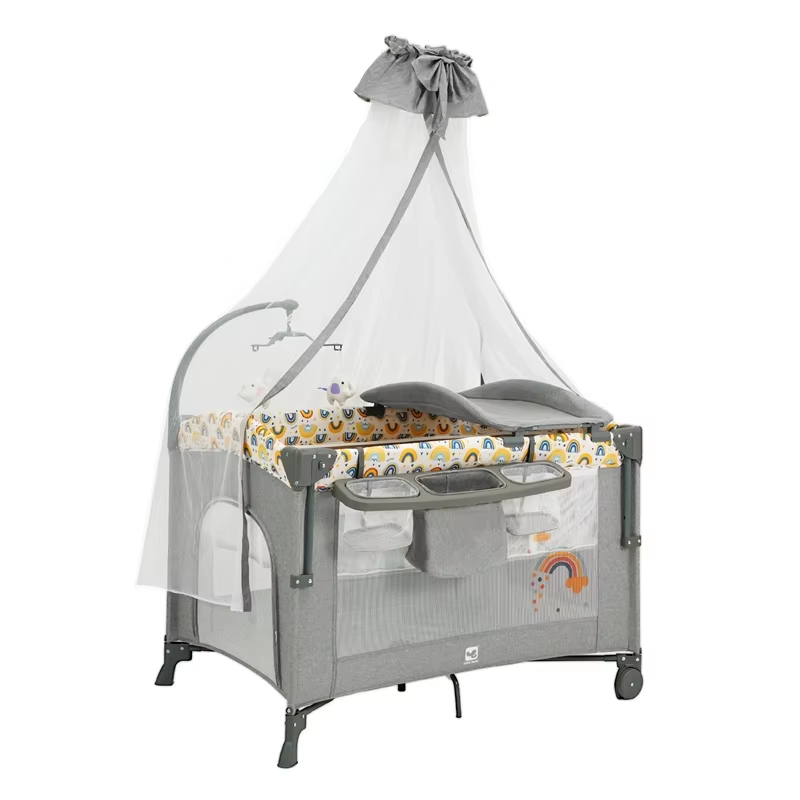
Safety and quality of every baby bed must be confirmed and verified. Retailers need to conduct a thorough examination of the safety and quality control systems of their baby bed suppliers. Quality suppliers should have all safety and quality control systems, and labs, properly accredited by CNAS or equivalent and conducting thorough assessments of baby beds. Quality control systems should and must have proper supervision of all steps of production, from the raw materials to the finished product, a quality assurance and quality control team. Retailers will be confident selling to parents about products from suppliers that can show safety certifications and patents, and even more, when they have multiple baby bed patents. This shows parents innovative and designed safety features, and proves the suppliers ability to innovate and design safety structures, a critical selling point to parents.
Supply Capacity and Delivery Efficiency
Retailers need a steady supply and consistent deliveries for their operational needs. They also need to understand each supplier’s production and storage capabilities. Suppliers with smart production and large storage means can more effortlessly satisfy market demand. That said, minimum order quantities and lead times will always matter. Retailers with small sales volumes or those testing a market will prefer suppliers with lower MOQs. Retailers also appreciate suppliers with short lead times, like those who ship orders in 1 to 3 days. That way, they can better manage their inventory to avoid losing sales because they run out of stock. These factors ensure retailers can keep a steady supply of baby beds in order to supply their customers.
Innovation Capabilities and Product Diversity
Knowing how to innovatively diversify product offerings allows businesses to reach even more customers. For suppliers who innovatively design and do market R&D on baby beds, keeping baby product companies with R&D capabilities market trend oriented isn’t a problem. Suppliers who do R&D and who innovate at a market level update over 10 multifunctional baby beds with smart technology, or multifunctional design capabilities focused on beds and bed baby products. These smart beds include baby beds that help babies to sleep. Also, suppliers reduce time and costs for retailers sourcing multiple suppliers when they provide integrated one stop purchasing solutions that include matching baby beds and accompanying baby products. These suppliers empower retailers to improve line breadth and increase customer stickiness.
Market Reputation and After-Sales Support
A supplier's reputation within the market also reflects their overall strength. Retailers can understand the reputation of a supplier by reviewing performance and clientele feedback in the surrounding global market. Reputable suppliers in the industry with multiple countries of sales tend to have a commendable global market reputation and sales. This is a good sign because customers around those territories have their products; this can help reduce the market risk facing the retailer. Part of the reputation in the market is also due to the support they provide after a purchase is made. For example, reputable baby-bed suppliers will attend to a quality-related problem within a year warranty, which is helpful for retailers in after sales dispute. This also increases consumer satisfaction. New retailers in the market focusing on baby beds really appreciate the extra promotional support some suppliers provide. This additional support is not to be overlooked.
Considering Cultural and Regional Factors
Baby products differ from country to country and region to region. This is because different cultures and local regulations influence the products. Retailers depend on local suppliers to be adaptable. For example, some suppliers have to be more flexible when it comes to the design of baby bed materials, while other cultures have more rigid regulations to consider. Adaptable suppliers mostly come from advanced markets like Europe and America because they understand the cultures and the regulations. For example, they design and prepare baby beds for different markets while considering local preferences. This flexibility is what allows retailers to easily introduce baby beds to several markets since it simplifies adherence to local regulations.