 ×
×

Direct Answer
There is no single certificate that automatically covers baby furniture imports across the Middle East, Africa, and South America.
For B2B buyers, the practical approach is to confirm the destination country, product category, HS code, safety expectations, labeling requirements, and whether the product includes electrical or wireless components before placing bulk orders.
CE, EN, ASTM, factory documents, and product test reports may help buyers evaluate product safety, but they do not automatically replace local import requirements. Importers, distributors, and brand buyers should treat compliance as a pre-order checking process, not as a last-minute document request before shipment.
Who Is This Guide For?
This guide is written for B2B buyers who source newborn indoor products and baby furniture in bulk.
It is especially useful for:
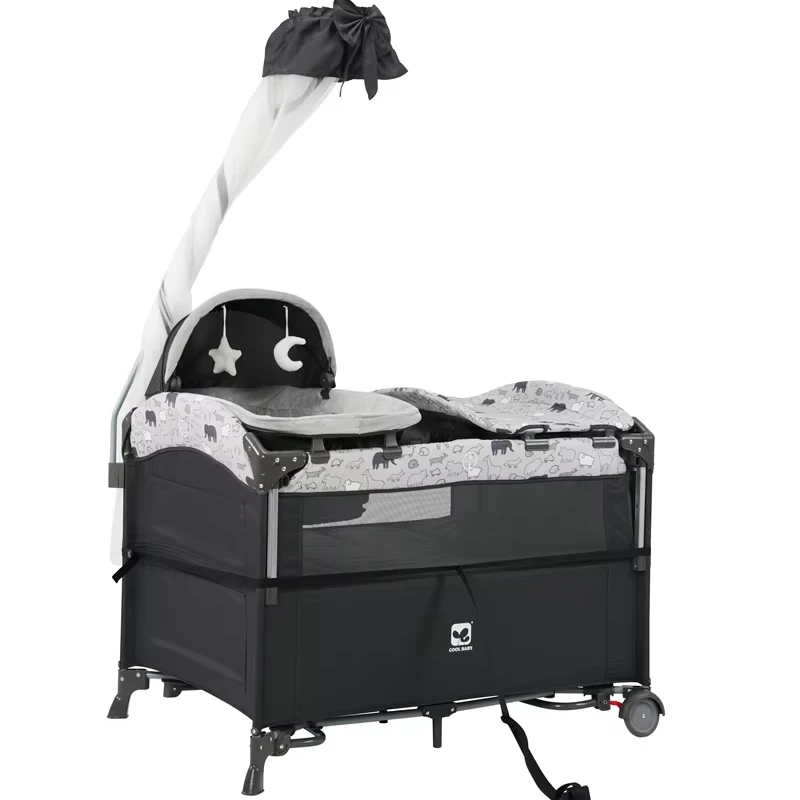
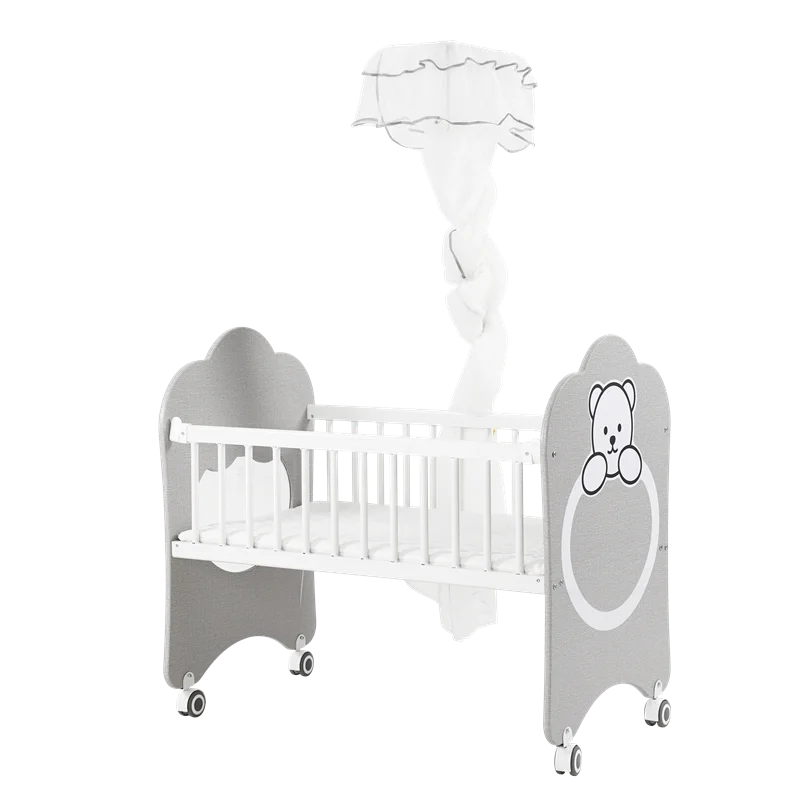
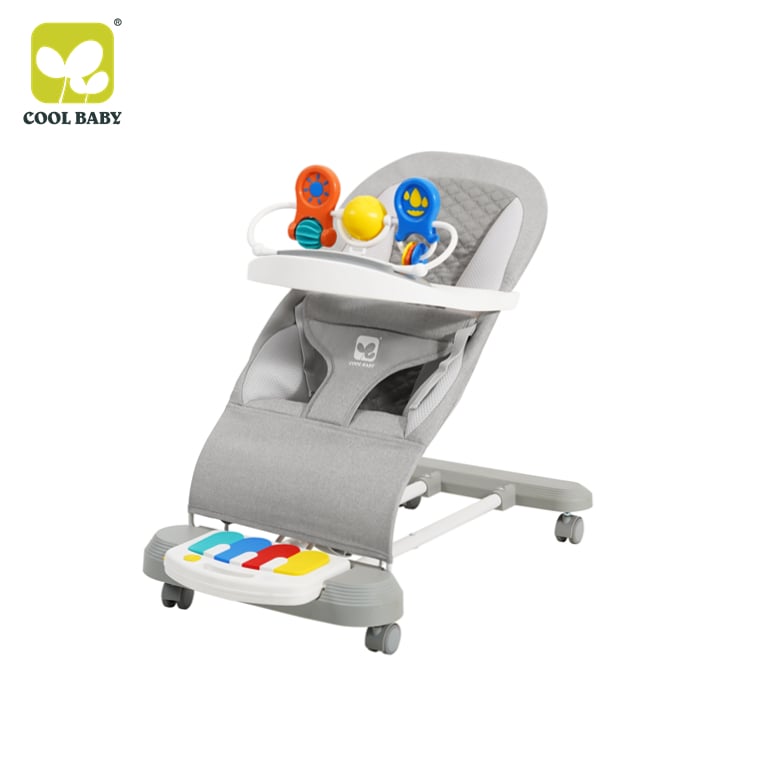
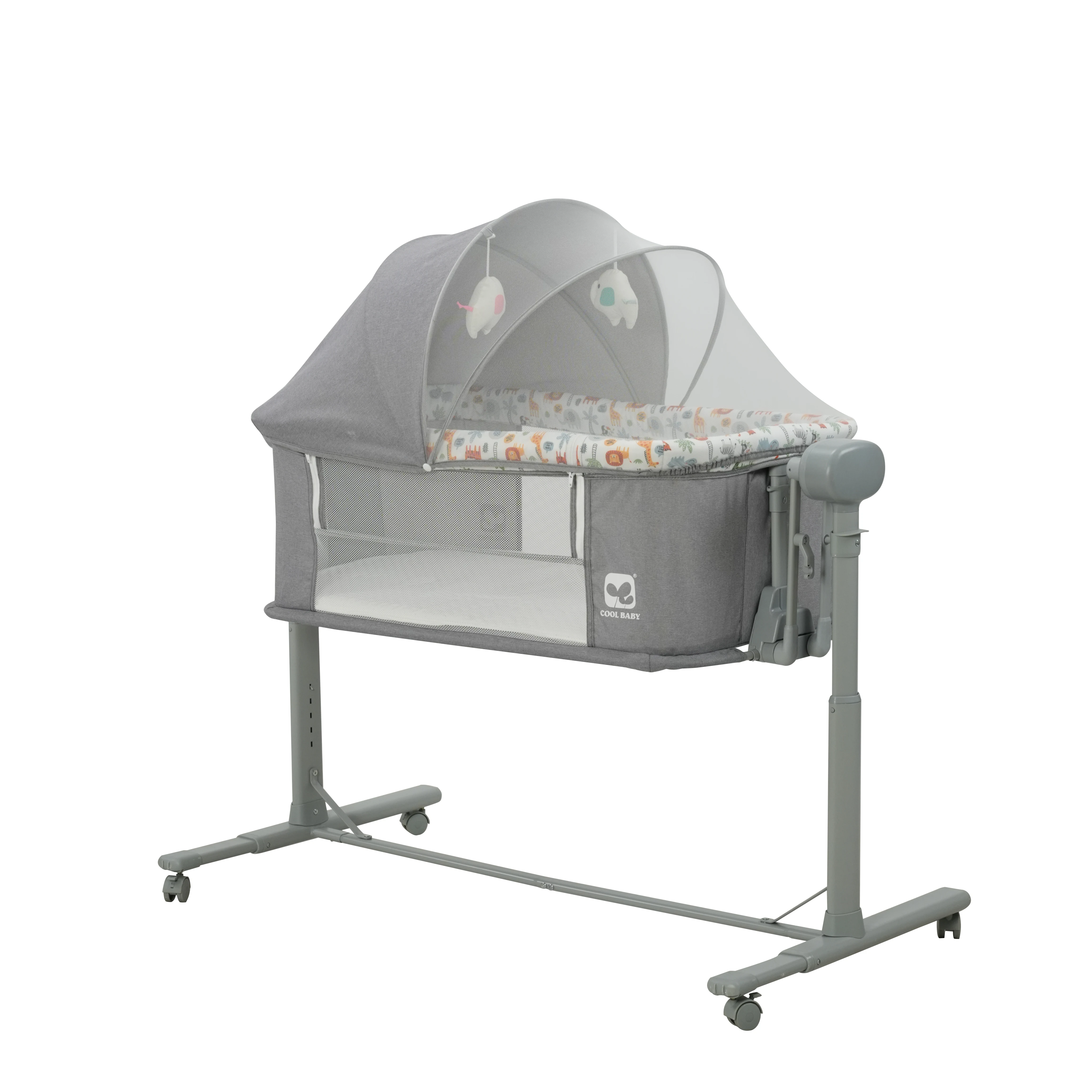
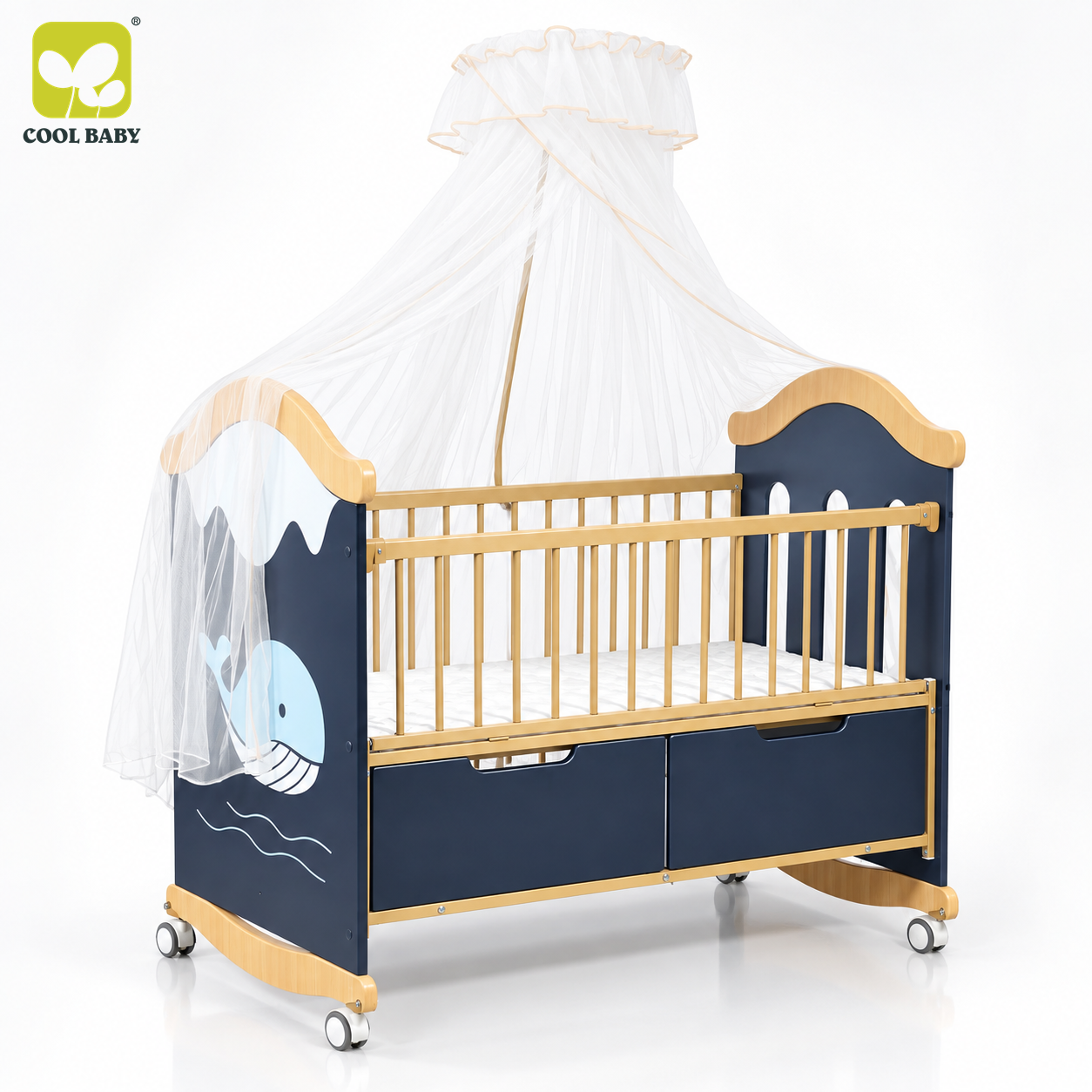
The guide applies to products such as baby cribs, foldable playpens, bedside sleepers, electric baby bassinets, baby cradles, laminated baby beds, mosquito nets, toy bars, power adapters, and related accessories.
Why Compliance Is Often Misunderstood in Baby Furniture Sourcing
Baby furniture compliance is often misunderstood because buyers and suppliers may use the word “certificate” in different ways.
A buyer may ask, “Does this product have a certificate?”
But the more accurate question should be:
Can this exact model, with this configuration, packaging, accessories, and intended use, meet the import and sales requirements of my target market?
This difference matters because baby furniture products can include multiple parts:
A document for a manual baby crib may not cover an electric baby bassinet. A test report for one configuration may not apply after adding a toy bar, mosquito net, adapter, or wireless module.
For B2B buyers, compliance should be checked by product configuration, not only by product name.
Key Compliance Areas Buyers Should Review
Before confirming a baby furniture order, buyers should review the main compliance areas that may affect import, retail approval, and after-sales risk.
|
Product Type |
Key Areas Buyers Should Check |
|
Baby crib |
Structural stability, mattress fit, openings, edges, coatings, warnings, and instructions |
|
Foldable playpen |
Folding locks, side mesh, stability, floor support, access openings, and assembly instructions |
|
Bedside sleeper |
Attachment system, height adjustment, side-opening structure, mattress compatibility, and use warnings |
|
Electric baby bassinet |
Mechanical safety, electrical safety, power adapter, plug type, motor, controls, and possible EMC or wireless requirements |
|
Baby bed with toy bar |
Baby bed safety plus possible toy-related checks for detachable toys |
|
Baby bed with mosquito net |
Bed structure plus net attachment method, material information, and warning labels |
|
Laminated baby crib |
Board material, surface finish, edges, hardware, structure, packaging, and labeling |
This table does not mean every product must follow the same certification route. It helps buyers identify which areas should be reviewed before confirming an order.
Regional Compliance Considerations
The Middle East, Africa, and South America are not single regulatory markets. Each country may have its own import rules, product classification system, label requirements, and document expectations.
Middle East
For Middle Eastern markets, buyers should usually check:
Saudi Arabia uses the SABER platform for product registration and conformity-related documentation. In GCC markets, G-Mark should not be assumed for every baby crib, bassinet, or playpen. Buyers need to confirm whether the exact SKU falls under an applicable GCC technical regulation, especially when detachable toys, adapters, electrical parts, or wireless functions are included.
The practical rule is:
Confirm the product classification before approving packaging and mass production.
Africa
African markets should be checked country by country. There is no single “Africa certificate” that applies to all destinations.
Depending on the country and HS code, buyers may need to review:
Some countries, such as Tanzania, use Pre-Shipment Verification of Conformity programs for certain regulated goods. However, this should be treated only as a representative example. Buyers should not assume the same route applies to South Africa, Ghana, Algeria, Côte d’Ivoire, or other African markets.
South America
South American markets also require country-specific checking.
For Brazil, buyers should start by reviewing whether the product falls within Inmetro’s current regulated product scope. For Chile, electric baby bassinets or cradles may require separate attention for adapters, plugs, charging equipment, and other electrical parts if they fall under local electrical product requirements.
For other South American markets such as Colombia, Peru, Argentina, Ecuador, and Panama, buyers should confirm:
The safest approach is to confirm requirements with the local importer, customs broker, or authorized conformity body before finalizing the order
What Documents Should Buyers Request Before Ordering?
Instead of asking only for “a certificate,” B2B buyers should request a practical product document package.
Product Information
Safety and Quality Documents
Electrical Information for Electric Models
For electric bassinets, cradles, or app-controlled products, buyers may also need:
Labeling and Packaging Documents
A product may be structurally acceptable but still face import or retail issues if labels, warnings, instructions, or importer information are incomplete.
Cost, MOQ, and Logistics Impact
Compliance checks should be included in the total sourcing cost, not handled after price negotiation.
Buyers should consider:
MOQ also affects compliance cost. A very small trial order may reduce inventory risk, but the compliance cost per unit may be higher if testing or registration is required. A larger order may spread fixed document and testing costs across more units, but it also increases risk if compliance is not confirmed before production.
For B2B buyers, the key rule is:
Compliance should be evaluated together with MOQ, packaging, logistics, and total landed cost.
Procurement Recommendations by Buyer Type
If You Are an Importer
Confirm the destination-country requirements before approving samples and packaging. The supplier can provide product information and available documents, but the importer should verify local market-access requirements.
If You Are a Distributor
Build a simple compliance checklist for each country you serve. A product suitable for one market may need different labels, manuals, packaging, or components for another market.
If You Are a Retail Chain Buyer
Check both local legal requirements and internal retailer standards. Retailers may require additional quality documents, packaging rules, traceability information, or warning labels.
If You Are an Online Seller
Confirm whether your platform requests specific documents before listing. Marketplace document requirements may be different from customs requirements.
If You Are a Private Label Brand
Freeze product configuration before testing or packaging approval. Changes to the adapter, toy bar, mosquito net, fabric, mattress, or electronic module may affect the document scope.
If You Are an OEM/ODM Buyer
Clarify compliance responsibility before development. Buyers and manufacturers should agree on who confirms standards, who pays for testing, who prepares labels, and who handles retesting if the product changes.
How CoolBaby Supports Compliance Preparation
As a B2B baby furniture manufacturer, CoolBaby helps buyers prepare practical product information before bulk orders.
Support may include:
CoolBaby does not suggest that one certificate can cover all markets or all product versions. Final market-access requirements should be confirmed by the importer, local authority, customs broker, or authorized conformity body in the destination country.
Our role is to help buyers prepare clearer product information, reduce communication gaps, and make compliance checking easier before large-volume orders.
Final Decision Framework
Before sourcing baby furniture for the Middle East, Africa, or South America, buyers can follow this framework:
1.Confirm the destination country
Do not treat “Middle East,” “Africa,” or “South America” as one unified compliance market.
2.Classify the exact product
Confirm whether the product is a crib, playpen, bedside sleeper, electric bassinet, or multifunction model.
3.Check the HS code and regulated scope
Ask the importer, customs broker, or local specialist to confirm the classification.
4.Review the product configuration
Check whether the model includes electrical parts, toy bars, mosquito nets, batteries, adapters, or wireless functions.
5.Match documents to the exact model
Make sure available reports and product information match the actual production version.
6.Approve labels and packaging before bulk production
Confirm warnings, manuals, language, importer information, and packaging details before mass production.
FAQ
Q1: Is there one certificate for baby furniture in the Middle East, Africa, and South America?
A1: No. There is no single certificate that covers all three regions. Requirements depend on the destination country, HS code, product category, accessories, and whether the product includes electrical or wireless functions.
Q2: Is CE certification enough for these markets?
A2: Not always. CE-related documents may support technical evaluation, but they do not automatically replace local import requirements in the Middle East, Africa, or South America.
Q3: Does every baby crib need G-Mark in GCC markets?
A3: No. G-Mark should not be assumed for every baby crib. Buyers should confirm whether the exact product falls under an applicable GCC technical regulation.
Q4: Do electric baby bassinets need more compliance checking than manual baby cribs?
A4: Usually yes. Electric models may involve additional checks for adapters, plugs, motors, control panels, EMC, batteries, or wireless functions depending on the destination country.
Q5: What should buyers ask suppliers before placing an order?
A5: Buyers should ask for product specifications, model photos, component lists, carton data, available test documents, labels, manuals, and confirmation of whether the product configuration has changed.
Q6: When should compliance requirements be confirmed?
A6: Compliance requirements should be confirmed before final sample approval, packaging design, and bulk production. Waiting until shipment may cause relabeling, retesting, storage delays, or customs issues.
Quick Summary for Buyers
Conclusion
The most important question is not simply, “Does this baby furniture product have a certificate?”
A better B2B sourcing question is:
“What requirements apply to this exact product in my destination country, and do the available documents match the final production configuration?”
For importers, distributors, retail buyers, and brand owners, early compliance checking can reduce customs uncertainty, packaging revisions, shipment delays, and after-sales risk.
If you are sourcing baby cribs, playpens, bedside sleepers, or electric baby bassinets for the Middle East, Africa, or South America, CoolBaby can help prepare product specifications, packing information, available documents, and sample details to support your compliance review before bulk orders.
Related Buyer Guides
Source Notes / Reference Sources
The following official sources can be reviewed when buyers check destination-market requirements:
These sources help buyers understand official checking routes. They do not prove that every baby crib, playpen, bedside sleeper, electric bassinet, or accessory follows the same compliance path. Requirements should be confirmed for each destination country, HS code, product model, and final configuration before packaging approval, bulk production, or commercial shipment.
Cool Baby provides premium cribs, baby swings, and indoor children's products for families worldwide. With 300+ patents and lab-validated safety, we deliver innovative, high-quality baby gear trusted in 72 countries. Request a catalog today.
237158, Longshu Road, North Industry Park, Jin'an Zone, Lu'an City, Anhui Province, China
Copyright © 2025 by Anhui Coolbaby Science & Technology Development Corporation Privacy Policy

 EN
EN